The short answer
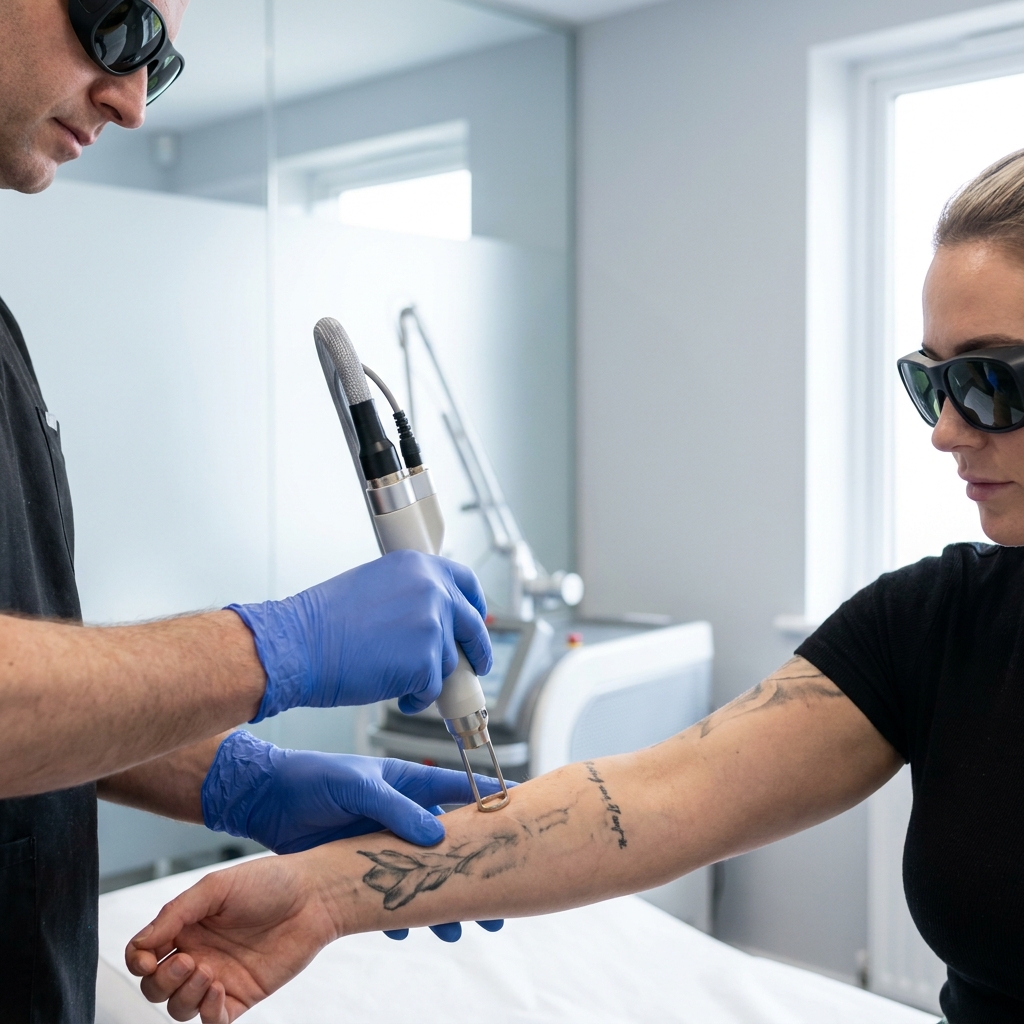
Scarring from laser tattoo removal is uncommon when treatment is done correctly and aftercare is followed. Modern Q-switched and picosecond lasers target ink rather than burning the skin, so the risk is low. Scarring becomes more likely with overly aggressive settings, picked scabs or blisters, infection, or in people prone to keloid scars. An existing scar under the tattoo will remain after the ink clears. A patch test and a qualified practitioner reduce the risk; reactions vary by individual.
Scarring is the side effect people fear most, and it is worth understanding clearly because the reality is more reassuring than the worry. Done properly, laser removal aims to clear ink while leaving the skin intact. Most scarring that does occur is avoidable and linked to specific, identifiable causes. This page explains where the risk really comes from and how you and your practitioner keep it to a minimum.
Scarring at a glance
- Overall risk Uncommon with correct care
- Main avoidable cause Picking scabs or blisters
- Higher risk Keloid-prone skin, infection
- Pre-existing scar Stays after ink clears
- Key protection Patch test and aftercare
- Technology Modern lasers target ink, not skin
How likely is scarring?
With a correctly chosen laser, appropriate settings and good aftercare, scarring from laser tattoo removal is uncommon. Q-switched and picosecond lasers deliver extremely short pulses that are absorbed by the pigment and shatter it, while leaving the surrounding skin largely undisturbed — which is precisely why they replaced older, cruder removal methods such as dermabrasion and excision that carried a much higher scarring risk. That said, no procedure that affects the skin is entirely without risk, and being honest about that is part of choosing well. It is also worth knowing that some people mistake normal temporary texture changes or pigment shifts during healing for scarring; true scarring is a permanent change in the skin’s surface, and it is the exception rather than the rule.
Where the risk actually comes from
Most avoidable scarring traces back to a handful of causes rather than the laser itself:
- Interfering with healing — picking scabs or popping blisters is the leading avoidable cause.
- Infection — an infected area is far more likely to scar, which is why clean aftercare matters so much.
- Overly aggressive settings — pushing energy too high to speed results can damage skin.
- Individual tendency — people prone to keloid or hypertrophic scars carry higher risk.
- Unqualified treatment — poorly trained operators or unsuitable machines raise the danger considerably.
Reassuringly, several of these are within your control or your clinic’s, which is why choosing well and following aftercare makes such a difference to the outcome.
| Raises scarring risk | Lowers scarring risk |
|---|---|
| Picking scabs and blisters | Leaving healing skin alone |
| Infection | Clean, diligent aftercare |
| Aggressive over-treatment | Conservative, spaced sessions |
| Keloid tendency (undisclosed) | Honest medical history and patch test |
Existing scars and keloid-prone skin
If the tattoo was applied over scar tissue, or the tattooing itself left a scar, that scar will still be there once the ink is gone — removal clears pigment, not texture, so it is important to have realistic expectations of what the skin will look like afterwards. If you have a history of keloid or raised scars, tell your practitioner: they may treat more conservatively, recommend a careful patch test first, or advise that you are not an ideal candidate. This is a health-and-suitability question that should always be discussed openly with a qualified practitioner, and where relevant your GP, before any treatment begins.
How to keep the risk low
Choose a qualified, regulated practitioner (see UK regulation), insist on a patch test, disclose your full medical and scarring history, follow your aftercare precisely, never pick at healing skin, and accept the recommended 6–8 week spacing between sessions. Protect the area from the sun while it heals, and report any reaction that looks unusual or is not settling. Following these steps puts the odds firmly in your favour.
What to do if you are worried about a mark
If you notice a change in the skin’s texture during a course — a raised area, a depression, or skin that feels different to the touch — do not assume the worst, but do raise it with your practitioner at the earliest opportunity. Much of what people fear is scarring turns out to be temporary: healing skin can look and feel unusual for weeks, and pigment changes can mimic a scar before they fade. A qualified practitioner can examine the area, tell you whether it is part of normal healing or something to monitor, and adjust your treatment plan if needed. If genuine scarring has formed, your GP or a dermatologist can advise on management. The key message is a calm one: scarring is uncommon, most of it is avoidable, and an open conversation with your clinic is always the right first step. This page is general information, not medical advice; scarring risk varies by individual, so a consultation and patch test are essential before treatment.
Frequently asked questions
Does laser tattoo removal usually cause scars?
No. Scarring is uncommon when a qualified practitioner uses correct settings and you follow aftercare. Modern lasers target ink rather than burning the skin.
What is the biggest cause of scarring?
Interfering with healing — picking scabs or popping blisters — and infection are the leading avoidable causes. Leaving the area alone and keeping it clean greatly reduces the risk.
Will an old scar under my tattoo go away?
No. Removal clears pigment, not texture. Any scar that existed before, including from the original tattooing, will remain once the ink has gone.
Should I avoid removal if I get keloid scars?
Tell your practitioner if you are keloid-prone. They may treat more cautiously, patch test carefully, or advise that removal is not ideal for you. Discuss it with a clinician.
Sources & further reading
- NHS — Laser and intense pulsed light (IPL) treatments
- NHS — Keloid scars
- NHS — Cosmetic procedures: what to consider
- British Medical Laser Association (BMLA) — Risks and complications guidance
This guide is general information, not medical advice. A patch test and consultation with a qualified, regulated practitioner are essential before treatment, and results vary by individual. Discuss any skin or health concerns with the practitioner or your GP.