The short answer
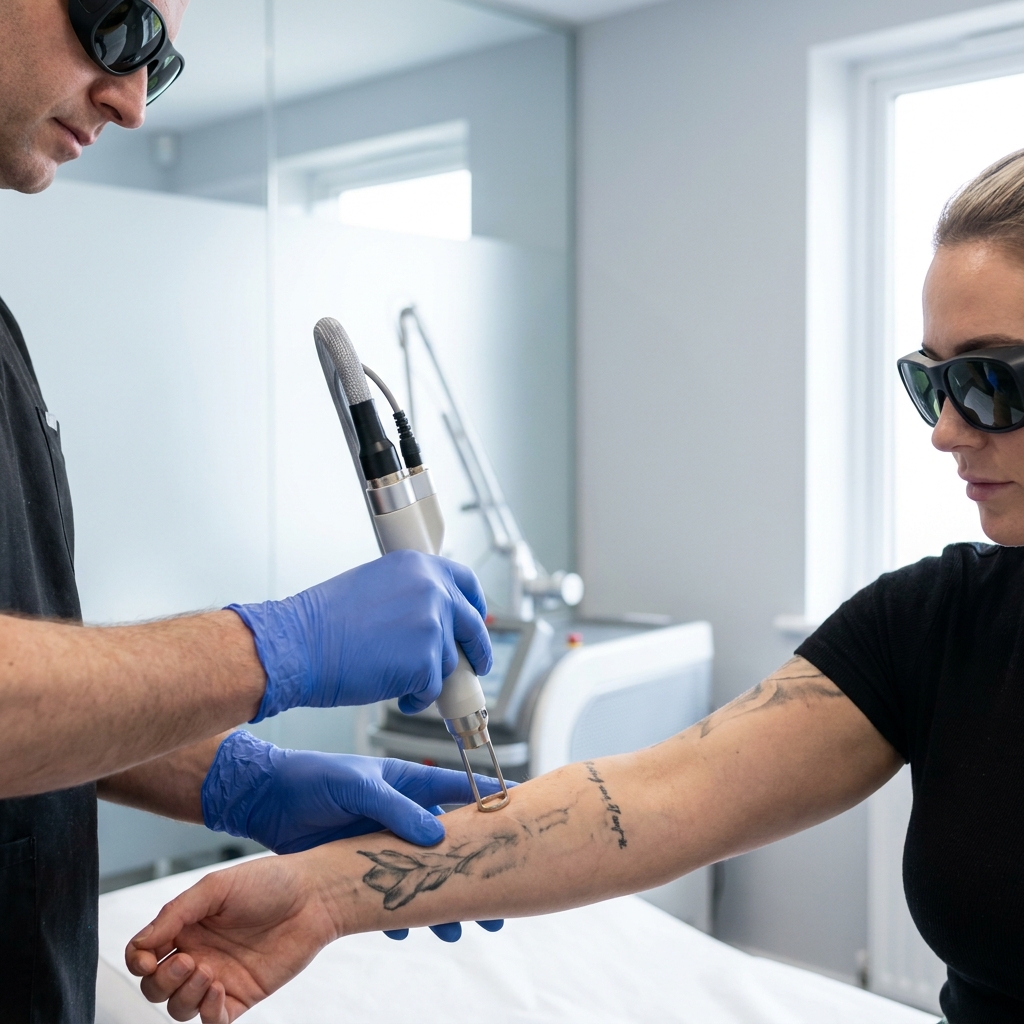
A consultation is a structured assessment before treatment. The practitioner examines your tattoo and skin, takes a medical history, determines your skin type, and discusses the likely number of sessions, the cost and the realistic outcome. It should always include arranging a patch test and explaining aftercare and risks. A good consultation sets honest expectations and never guarantees complete removal. Treat any clinic that skips it as a warning sign. This is general information, not medical advice, and results vary by individual.
The consultation is the foundation of safe tattoo removal. Done well, it tells the practitioner whether you are suitable and tells you what to realistically expect; done poorly or skipped entirely, it puts your skin at risk. This guide explains exactly what a thorough consultation covers so you can judge whether yours measures up.
The consultation at a glance
- Purpose Assess suitability and plan safely
- Covers Skin, tattoo, medical history
- Skin typing Fitzpatrick scale assessment
- Sets Realistic session and cost estimate
- Always includes Arranging a patch test
- Never includes A guarantee of full removal
Why the consultation comes first
Laser tattoo removal is not a one-size-fits-all procedure. The right laser settings depend on your skin tone, the colours and density of your ink, the age and location of the tattoo, and your general health. The consultation is where the practitioner gathers all of that so the treatment can be both safe and effective. It is also where you learn what is realistic: how many sessions you might need, what the cost is likely to be, and the fact that some ink may never disappear completely. A clinic that books you straight in without this assessment is skipping the most important safety step. For background, see how tattoo removal works and does tattoo removal work.
The consultation also gives you something valuable: time to make an unpressured decision. Because nothing is treated on the day in a well-run clinic, you can absorb the information, weigh the cost and commitment, and decide whether this clinic and this practitioner feel right before committing to a course that may run for the best part of a year. A practitioner who uses the consultation to build understanding rather than to close a sale is exactly the kind you want.
What the practitioner assesses
A thorough consultation examines both you and the tattoo. The practitioner will look at the ink colours, density and how the tattoo was applied — amateur and professional tattoos behave differently — and assess your skin tone, often using the Fitzpatrick scale, because darker skin requires more cautious settings to reduce the risk of pigment change. They will take a medical history covering conditions, medications, allergies, previous reactions, and whether you are pregnant or breastfeeding. All of this shapes the plan.
| Assessed | Why it matters |
|---|---|
| Ink colour & density | Black clears best; some colours resist treatment |
| Skin type (Fitzpatrick) | Guides safe laser settings, reduces pigment risk |
| Tattoo age & type | Older and amateur tattoos often respond differently |
| Medical history | Flags conditions or medications affecting healing |
| Location on body | Affects clearance rate and comfort |
What you should be told
Information should flow both ways. By the end of a good consultation you should understand the likely course of treatment and its limits. Expect the practitioner to explain:
- Sessions — typically 6–12, sometimes more for stubborn ink.
- Spacing — usually 6–8 weeks apart to let skin recover and pigment clear.
- Cost — commonly £50–£200 per session depending on size.
- Aftercare — how to look after the area and what reactions are normal.
- Risks — blistering, temporary pigment change, and rare scarring.
For the financial picture see how many sessions and tattoo removal cost.
The patch test and honest expectations
A responsible consultation always arranges a patch test — a small trial of the laser on a section of the tattoo — before committing to a full course. This reveals how your skin reacts and helps fine-tune settings. The practitioner should also be candid that complete removal cannot be guaranteed: black ink usually responds well, while green, light blue and yellow can be stubborn, and outcomes vary from person to person.
How to prepare and what to bring
You can make the consultation more useful by preparing. Bring a list of your medications and any relevant medical history, note when and where the tattoo was done if you know, and write down your questions in advance — our questions to ask guide is a helpful prompt. Avoid heavy sun exposure or fake tan on the area beforehand, as both affect the skin and the assessment. Above all, treat the consultation as a two-way interview: you are assessing the clinic just as much as it is assessing you, and the quality of this first appointment is one of the best indicators of the care you will receive throughout. If you leave feeling rushed, sold to, or unclear about what comes next, that is useful information — trust it, and feel free to consult another clinic before deciding. A thorough, patient first appointment is rarely a coincidence; it usually reflects how the clinic works across the whole course of treatment.
Frequently asked questions
Is a tattoo removal consultation free?
Many UK clinics offer a free consultation, but this varies. The value is in the assessment and honest planning, not the price — never skip it to save time.
Will I be treated at the consultation?
Usually not on the same visit. A responsible clinic arranges a patch test first and may schedule your first full session for a later date once your skin reaction is known.
What should I tell the practitioner?
Disclose your full medical history, medications, allergies, skin conditions, recent sun exposure and whether you are pregnant or breastfeeding. All of these affect safety and suitability.
Can the consultation tell me exactly how many sessions I need?
It can give an informed estimate — often 6 to 12 — but not an exact figure. The number depends on your ink, skin and how you respond, which becomes clearer as treatment progresses.
Sources & further reading
- NHS — Laser and IPL treatments and cosmetic procedures
- JCCP — standards for cosmetic practitioner consultations
- British Medical Laser Association (BMLA) — clinical good practice
- NHS — Skin types and the Fitzpatrick scale
This guide is general information, not medical advice. A patch test and consultation with a qualified, regulated practitioner are essential before treatment, and results vary by individual. Discuss any skin or health concerns with the practitioner or your GP.